Your guide to India's famous religious landmarks and the colorful state festivals that bring the nation to life. Dive into devotion and celebration
Thursday, August 20, 2009
Onam Festival - Pookalam
Mohandas Kattungal, BA LLB | Expert UAE Legal Researcher Leveraging 22+ years of Gulf experience to simplify UAE Labour Law and employment rights. Follow for essential updates on the 2026 Law
Kerala festival Onam - Pookalam
ar in Kerala and is followed as a ritual in every household during ten-day-long Onam celebrations.'Pookalam' consists of two words, 'poov' meaning flower and 'kalam' means color sketches on the ground. It is considered auspicious to prepare Pookalam, also known as 'Atha-Poo' during the festival of Onam.
People believe the spirit of their dear King Mahabali visits Kerala at the time of Onam. Besides making several other arrangements, people, especially adolescent girls prepare elaborate Pookalams to welcome their most loved King.
Making a Pookalam – Pookalammidal
Athapoovu are usually circular in shape and multi-tiered colourful arrangements of flowers, petals and leaves. Use of powder colours, d
esiccated coconut or artificial flowers is prohibited. Pookalams are normally laid on the front court yard of the house. Idols of Mahabali and Vishnu are placed in the center of the Pookalam and worshiped. Diameter of a Pookalam normally ranges from four to five meters.Ritual of making the flower mats continues for all ten days of Onam. Designing starts from the day of Atham and is made ready by Thiruvonam day. Basic design is prepared on the first day. Size of a Pookalam is increased by adding more to it on every passing day hence a massive Pookalam gets ready for the main day of the occasion. It’s a big creative task, as designers have to think of a new design ever day.
Various flowers are used on each day as a specific flower is dedicated to each day of Onam. Commonly used flowers include Thumba (Lu
cas Aspera), Kakka Poovu, Thechipoovu, Mukkutti (little tree plant), Chemparathy (shoe flower), Aripoo or Konginipoo (Lantana), Hanuman Kireedom (Red pagoda plant) and Chethi (Ixora). Of all these flowers, Thumba flowers are given more importance in Pookalam as they are small in size and glitter in the the soft rays of the sun. 'Thumba Poo' is also considered to be the favourite flower of Lord Shiva and King Mahabali was a devout worshipper of Shiva.On the next day of Onam, Thumba flowers are used to decorate Onapookalam. The arrangement is not touched for the next 15 days. On the 1
5 th day, called 'Ayilyam', Pookalam is decorated again. On the next day, called Magam, Pookalam is given a cut in its four corners with a knife. This marks the end of Pookalam decorations for the year. Some also follow the tradition of erecting a small pandal over the completed flower carpet and decorating it with colourful festoons.Making of Pookalam is itself a colourful and joyous event. Being a team effort it helps to generate feeling of togetherness and goodwill amongst the people. It is animating to watch women as they prepare Pookalam while singing traditional songs. Giggling and sharing jokes between the thought provoking and back breaking job.
Mohandas Kattungal, BA LLB | Expert UAE Legal Researcher Leveraging 22+ years of Gulf experience to simplify UAE Labour Law and employment rights. Follow for essential updates on the 2026 Law
Sunday, August 02, 2009
Onam Festival of Kerala
Onam Legend Mahabali
Onam legend evolved from the story of a demon king who ruled Kerala. This king Mahabali had ruled Kerala before Lord Krishna's Birth. Hindus consider Lord Krishna was born around 5000 years back. Therefore, the story might have happened before 5000 years.
Lord Vishnu in the form of Vamana (Vamana avatar is one of Dasavatharam) begged 3 feet of land form King Mahabali. Once Mahabali has granted his wish, Vamana has taken his Universal form and with his 2 footsteps he measured all the universe including earth, heaven and sky. Since there was no place left for 3rd footstep of Vamana, Mahabali shown his head to Vamana to keep third footstep, as to keep up the promise he has given to Vamana. With that footstep Vamana pressed Mahabali to the world under the earth known as pathalam (Hindu mythology). However before pressing, him in to the pathalam, Lord Vishnu granted a boon to Mahabali. With that boon Mahabali is allowed to visit Kerala, once in every year. To convince the visiting king Mahabali, that the country is still prosperous as it was under his rule, Kerala people started celebrating that day as onam with lot of food and dance.
When is Onam: 2009
Onam 2009 is on Wednesday second of September. The atham star that is 10 days behind of Onam is on 24th of August. From Atham onwards the Onam pookalam will start and ends on Onam day.
Onam pookalam:-
Onam pookalam is the art works done by flowers on Onam season, in front of houses in Kerala. Every day morning people clean the floor and put fresh flowers to make pookalam. Plenty of flower were available in olden days, as the month chingam (August) is Just after the monsoon and Kerala was an agricultural state. Special Kerala flowers like thumpapoo, kakkapoo were available plenty in olden days. However, nowadays these flowers are not available. So now the creation of pookalam is greatly depends on the imported flowers from neighboring state of Tamilnadu. The price of the flowers will go up on onam season. Malayalee associations will conduct onam pookalam competitions in Kerala and abroad. We can expect lot of onam competition for onam 2009.
Onam celebrations:
In Kerala, people celebrate onam in their house. However, in outside of Kerala normaly malayalee associations will conduct onam celebrations. All this function will have lot of cultural programs like bharatnatyam, mohiniyattam, and thiruvathira kali. In the Middle East countries like UAE, Kuwait and Oman, onam celebration will be in a bigger manner. Other countries like, Singapore, USA and Australia will have bigger celebrations. Known Film stars and famous writers will attend these functions as chief guests.
Onam dance:

Thiruvathira kali is one of the main dances for onam. Group of women with 8, 10, or 12 members performs it. They will be dressed in Kerala traditional dress and dance with rhythmic steps against thiruvathira songs. Thiruvathira songs will be usually Hindu devotional songs about Lord Krishna or other gods. We can expect lot of videos of thiruvathira kali on YouTube after Onam
Sunday, May 03, 2009
Saturday, May 02, 2009
Thrissur Pooram Temple Festival of Thrissur in Kerala

Thrissur Pooram is celebrated at the premises of the Vadakkunnathan Temple, situated on a hillock (Thekkinkadu maidan) right in the centre of the city, on the Pooram day in the month of
Medom (April-May). Processions of richly caparisoned elephants accompanied by percussion ensembles from various neighbouring temples culminate at the Vadakumnathan temple. The most impressive processions are those Thriuvambadi Bhagavathy from the Thiruvambadi Sri Krishna Temple and th
e Paramekkavu Bhagavathi from Paramekkavu temple. The celebrations which last for over 36 hours includes parasol displays and firework shows.This festival was introduced by Sakthan Thampuran, the Maharaja of the erstwhile Cochin State in the late eighteenth century. Perhaps, there is no other festival in Kerala that draws such an unbelievable number of people to a single event. However Vadakkunnathan is a mere spectator at this festival, lending its premises and grounds for the great event. The pooram festival is also well known for the magnificent display of fireworks. Fire works start in the early hours and the dazzling display last three to four hours.

The Pooram Festival is celebrated by two rival groups representing the two divisions of Thrissur Paramekkavu and Thiruvambadi vying with each other in making the display of fireworks grander and more colourful. Each group is allowed to display a maximum of fifteen elephants and all efforts are made by each party to secure the best elephants in South India and the most artistic parasols, several kinds of which are raised on the elephants during the display. Commencing in t
he early hours of the morning, the celebrations last till the break of dawn, the next day.The procession but also quite enlivening. The marvellous as well as magical effect of the Panchavadyam, a combination of five percussion and wind instruments is to be felt and enjoyed. Among the varieties of festivals celebrated in Kerala, Thrissur Pooram is the most thunderous, spectacular and dazzling. There are three temples participating in the event. It is an expression of popular fascination for sound and colour, and because of the pageantry, it appeals to all people. The images of the deities from all temples of the village are taken on elephants to the main temple. The climax of the festival is the exhibition of thirty elephants and the famous fireworks at 2.30 am local time.
Mohandas Kattungal, BA LLB | Expert UAE Legal Researcher Leveraging 22+ years of Gulf experience to simplify UAE Labour Law and employment rights. Follow for essential updates on the 2026 Law
Monday, April 06, 2009
Arattupuzha Pooram at Thrissur Kerala
The Arattupuzha Pooram is described as `the greatest Devamela on earth’ and it is the oldest pooram festival in Kerala. The `ezhunnellippu' or procession of the `thidambu' or idol of the Arattupuzha Sastha include grandly caparisoned elephants and traditional percussionistsArattupuzha Pooram, the largest elephant stage entry
in which about 70 majestically caparisoned elephants participated. Arattupuzha is about 14 km from Thrissur town. The famous Ayyappa temple at Arattupuzha is just 14 kms from Thrissur, and celebrates its annual Pooram fe
stival during March April. Arattupuzha is a culturally significant village located in Thrissur district of of Kerala in southern India, and is home to the annual Arattupuzha Pooram that stages the grand spectacle of scores of caparisoned elephants lined up in a row to the accompaniment of ethnic percussion concerts
History
Located on the banks of the Karuvannur River, legend has it that Arattupuzha was the meeting place of all the Gods of the world until floods ravaged the area and forced some of participants to meet 14 kilometers north of the village -- in the city of Thrissur. The Arattupuzha Pooram is still quite popular, even though it is much less famous than the Trichur Pooram.
The Arattupuzha Pooram is commonly referred to as the "grand-daddy of all Poorams." It takes place in front of the famous Sree Sastha Temple, a temple which is believed to be more than 3,000 years old.On the sixth day of the seven day festival at Arattupuzha temple, 61 gaily caparisoned elephants gather in the temple grounds, accompanied by the temple music of Panchavadyam, nadaswaram, pacharimelam and pandimelam. This Year the festival is on 06 April 2009.
Thursday, April 02, 2009
Thrissur Pooram
Trichur Pooram, the mother of all temple festivals in the state, is essentially one of spectacles. The two devaswams- Thiruvampadi and Paramekkavu- explore and exploit every source at their command to make this annual festival a memorable one.It is celebrated with a colourful procession of caparisoned elephants, parasol exchanges, drum concerts, display of pyro-techniques and refreshing scenes of public participation .During the festival season, Trichur, popularly known as the temple town turns into a town of colour, music and mirth. The Pooram
programmes extending about 36 hours begins with the ezhunellippu of the Kanimangalam Shasta in the morning followed by the ezhunnellippu of the other six minor temples on the Pooram Day.The ezhunnellippu programme which is considered to be a ritual symbolising the visit of the Devi from the Paramekkavu and Thiruvambadi temples to the Vadakkunnathan temple. A major event of the Pooram festival is the Panchavadyam in which about 200 artistes from the disciplines of Thimila, Maddalam, Trumpet, Cymbal and Edakka participate. Another major event of the pooram begins with the setting off of the ‘Pandemelam’ at noon in which about 200 artistes in the disciplines of drum, trumpets, pipe and cymbal participate. The grand finale of this festival of colour, music and fire works would be marked with a function of bidding farewell to the deities of the Thiruvambadi and Paramekkavu Devaswams in front of the Western Gate of the Vadakkunnathan Temple. A noteworthy feature of the pooram festival is the participation of a cross section of people and elephants. The pachyderms emerge out in all their regalia with newly fabricated caparisons. They make their way through the milling crowds drawn from all r
eligions, castes and creed to the accompaniment of ecstatic percussion ensembles. The exhibition of the paraphernalia of elephant decorative, commonly known as ‘Aana Chamayal pradarsanam’, the spectacular show of ‘Kudamattom’ in which parasols of myriad numbers, designs and colours are exchanged by the people atop the elephants. The Pooram festival is concluded with a spectacular fire works display, which is held in the wee hours of the day after the Pooram. The Thiruvambadi and Paramekkavu Devaswams present many innovative patterns and varieties of fire works which make spectators going into raptures. This famous and mighty display of the magnificent display of fireworks add to the popularity of the Pooram festival.The most striking feature of the Trichur Pooram is its very secular nature. The Muslim and Christian Communities actively take part in it and they play a very prominent role in the very conduct of the festival. Most of the pandals are the craft work of the experts from the Muslim community
Festival of Vishu In Kerala

The traditional people of Kerala practice a lot of colorful rituals and customs on Vishu. Most of these traditions are based on a belief that Vishu must be celebrated well as the good things of the first day of the New Year will continue for the rest of the year too.
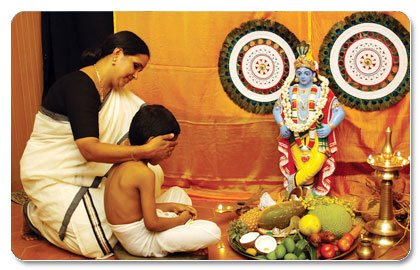
Rituals and TraditionsMost important ritual of the day is called 'Kani Kanal', the literal translation of this is 'first sight'. In Kani Kanal there is a prescribed list of items, which a person must see first thing on a Vishu morning to bring good luck. This include a cadjan leaf book, gold ornaments, fresh white cloth, a measure of rice or paddy, flowers of the Konna tree (Cussia fistula), halved jack fruits, halved coconuts and yellow cucumber. All these things are kept in a big pot and behind this pot is kept the bell metal mirror and a garlanded deity of Lord Krishna. Two standing oil lamps are also placed before the deity.
Preparations of Kani are done a night before by the lady of the house. Master of the house is the first person to Kani and then the other family members follow. Children are brought blind folded from their rooms to see Kani Kanal, the first thing in the morning. Vishu Kani is later distributed amongst the poor and needy people. Reason behind this ritual is the strong belief of the people that the fortune of the rest of the year depends on the first object they see on the Vishu day. There is also a tradition to give small amounts of cash to children of the family. This tradition is called Vishu Kaineetam. People believe that this custom will ensure prosperity for their children in future.
A large number of people prefer to see Vishu Kani in temples. A huge rush of devotees can be seen in the temples of Guruvayur, Ambalapuzha and Sabarimala where special prayers are organised to mark the day. People stay overnight in the courtyards of these temples a night before Vishu so that they see Kani, first thing on Vishu in the temple. Devotees close their eyes and set their eyes on Kani and deity so that when the doors to the deity opens at 2:30 am, the first thing they see is Kani.
CelebrationsA grand sadya (feast) is prepared by women of the house and the whole family sits together at lunch to relish it. Dishes are usually prepared from jackfruits, mangoes, pumpkins, and gourds besides other vegetables and fruits, which are in plenty at that time of the season. People also wear kodi vastram (new clothes) on this day. Patassu (fire crackers) are burst in the midst of dancing and merry to mark the day.
A group of young men and women dress up as 'chozhi' , wearing a skirt of dried banana leaves and masks on their faces and go from house to house in the village dancing and collecting small amounts of money. On Vishu, these entertainers get good rewards for their performances. The money is spent on the Vishuwela
Monday, January 26, 2009
Makaravillakku At Sabarimala

Importance of Sabarimala Shrine
Ayyappa Temple at Sabarimala in Pathanamthitta district of Kerala is the most sacred pilgrimage centre for the people of Kerala. Presiding deity of Sabarimala shrine is Lord Ayyappa known as Dharma Sastha, a symbol of unity between Vaishnavites and Saivites. This is so because, Ayappan is said to be born of union between Lord Vishnu and Shiva when the former took the avatar of Mohini, the seductress. Shiva succumbed to the charms of Mohini and Ayappa was born out of this union. Hence Ayappa is also called 'Hari Hara Putra' where 'Hari' is Vishnu, 'Hara' is Shiva and 'Putra' means son. No wonder, Sabarimala attracts lakhs of devotees from across the country particularly, southern states of India every year.
What makes the shrine so much more interesting is the rugged terrain on which it is located. The spirit of the thousands of devotees must be saluted who walk this terrain on foot as no other means of transport function in the rough stretches of Western Ghats where Sabarimala is located. Pilgrims have to make their way through the dense forests housing wild animals. For the lovers of adventure, there is a mandatory, 5 km stretch from Pamba to the shrine which can be passed only by trekking. Pilgrimage to Sabarimala requires a lot of prior preparations and is not advisable on all times. It is open only from November to January.
Sabarimala Festival at Kerala

Sabarimala is a renowned pilgrim centre atop the rugged hills of the Western Ghats. This holy shrine is dedicated to Lord Ayappa. The main pilgrimage is undertaken between November and January.
There are two main rituals called the Mandal Puja and the Makara Sankranti Puja, which is celebrated from November to mid-January in Kerala during which time, the devotees perform austerities and penance.
The Pilgrimage
Devotees undergo rigorous penance and austere living before starting on the pilgrimage. Regardless of caste, creed and colour they wear black dhoties and carry on their heads, bundles containing traditional offerings like coconuts filled with ghee, camphor and rice.
The temple dome is covered with gold and the devotees break the coconuts before climbing the steps. Among the pilgrims, there are a few who are undertaking the pilgrimage for the first time while ther are a few who have been doing so for the past many years.
The first timers are known as 'Kanni Swamis' and the leader of the group is known as 'Guru Swami' or the lead person of a team who is incharge of all the rituals.
Devotees take a ritual bath while climbing up the hill in the holy river Pamba, which absolves one's sins. En route at Erumeli, in a supreme instance of communal harmony, they pay obeisance at the shrine of Vavar, a Muslim deity believed to be a close ally of Lord Ayyappa.
To ease the ardour of the long trek through the forests to the temple at the peak of the Sabari Hills, devotees constantly chant the name of the holy one. No women in the fertility age group are allowed into the precincts of the shrine of the Lord who is considered to be an Eternal Bachelor.
Thursday, August 14, 2008
India Celebrat 62th Independence Day
Wednesday, August 06, 2008
Kerala Festivals and Fairs
Every season turns up new festivals, each a true celebration of the bounties of nature. The festivals exhibits an eternal harmony of spirit. Packed with fun and excitement, festivals are occasions to clean and decorate houses, to get together with friends and relatives and to exchange gifts.
- Aaranmula Boat Race
The Aaranmula Boat Race is staged each year in the scenic village of Aaranmula in August/ September. This river carnival is part of the Aaranmula Temple festival. Masses throng the shores of the River Pamba to watch an imposing cluster of snake boats called 'Palliyodams'.
- Cochin Carnival
Cochin Carnival is a merry making feast observed during the last week of every year in Fort Kochi in Kerala. The carnival dates back to the Portuguese New Year revelry held here during the colonial days.
- Muharram
Muharram is the opening month of the Hijra year. The 10th day of this month (May) is honoured by the Muslims of Kerala. As per belief, it was on this day that the Imam Hussain, the grandson of Prophet Mohammed, and his men were slain at Karbala.
- Onam
Onam, the harvest festival is the most popular festival of Kerala. A festival that celebrates a happy blend of myth and reality, Onam is part of the cultural repertoire of every Malayalee.
- Sabarimala Festival
The Sabarimala Temple festival is celebrated in honour of Lord Ayyapa who is revered by all in India. Sabarimala is a renowned pilgrim centre atop the rugged hills of the Western Ghats. This holy shrine is dedicated to Lord Ayappa. The main pilgrimage is undertaken between November and January.
- Nehru Trophy Boat Race
- Malabar Mahotsavam
Malabar Mahotsavam is a cultural extravaganza that showcases the centuries old rich cultural heritage of Kerala. The event is at Mananchira maidan (ground) in the heart of Kozhikode town from 13th to 16th January every year.
- Swathi Festival
Swathi festival is a gala event of music organised by the Government of Kerala every year in the last week of January. The venue is the famous Kuthiramalika Palace. Thiruvananthapuram, where once upon a time the great poet-king of Travancore, Sri Swathi Thirunal, composed many of his verses.
- Aarattu
Pallivetta (Royal Hunt) and Arattu (Holy Bath) are part of the rituals of the festivals of some of the major temples of Kerala. The speciality of the Arattu at the Sree Padmanabha Swamy Temple in Thiruvananthapuram is that the head of the royal family of erstwhile Travancore still provides escort to the procession of idols. The two annual ten-day festivals of the temple fall in October- November and March- April.
- Jagannatha Festival
Jagannatha Festival is a colourful eight-day festival, which is held in the Malayalam month of Kumbham (February/ March) at the Jagannatha Temple at Madathiparambu, near Thalassery in Kannur.
- Aattachamayam
- Indira Gandhi Boat Race
Indira Gandhi Boat Race is a grand fest on the rolling backwaters of Kochi. Conducted in the last week of December, it is a fitting finale to the Tourism Fair, which attracts travellers from all parts of the globe.
- Thirunakara Festival
The Thirunakara Temple situated in the heart of Kottayam and dedicated to Lord Siva is also famous for the grandeur of its traditional architecture.
- Vettukadu Perunal
The Madre De Teus Church, popularly known as Vettukadu church, is situated around 7 kms from Thiruvananthapuram. The annual festival of the church is celebrated over the ten days culminating in the last Sunday of the laturgical year. Various religious rites are carried out during the festival days.
- Nisha Gandhi Dance Festival
Every year, from February 21st to 27th renowned classical dancers perform at the Nisangandhi, an open air theatre in Thiruvananthapuram city. Classical dances of almost all the states of India are staged during the festival. Mohiniyattam (Kerala), Bharatha Natyam (Tamil Nadu), Kutchippudi (Andhra Pradesh), Odissi (Orissa), Manipuri (Manipur) and Kathak (a north Indian Classical Dance) are the major dances performed.
- Oachirakkali
The Oachira Temple is the venue of the famous Oachirakkali (Oachira dance) held in June, a sort of ancient choreographed mock battle. Unlike other temples, there is no shrine or idol at the oachira temple, located nearly 32 kms from Kollam.
- Easter
Easter which falls in April is a major religious festival for the Christians in Kerala. This solemn celebration of the resurrection of Christ is undertaken with religious fervour by Christians of all sects. Unlike Christmas with its festive mood, Easter has a ritualistic sobriet. The abstinence period of 50 days preceding Easter known as 'Lent', the Pal Sunday celebrations, the Holy Week comprising Maundy Thursday, good Friday and Easter, are all part of the celebrations.
Tuesday, January 22, 2008
Jet Airways will launch of its daily scheduled services to Muscat and Doha from Kozhikode on January 23.
It will simultaneously launch flights from Kochi to Muscat and from Mumbai to Doha. Jet already operates daily direct flights on the Kochi-Kuwait, Kochi-Bahrain, Mumbai-Bahrain and Delhi-Kuwait routes.
Jet said it would serve these routes with its advanced Boeing 737-800 aircraft.
The Kozhikode-Muscat flight would depart Kozhikode at 0930 hrs and arrive at Muscat at 1135hrs. On the way back, the flight would depart Muscat at 0230 hrs and arrive at Kozhikode at 0800 hrs.
Monday, December 31, 2007
HAPPY NEW YEAR
Mohandas Kattungal, BA LLB | Expert UAE Legal Researcher Leveraging 22+ years of Gulf experience to simplify UAE Labour Law and employment rights. Follow for essential updates on the 2026 Law
Sunday, October 14, 2007
Festivals of Kerala - Sabarimala Festival

Sabarimala is a renowned pilgrim centre atop the rugged hills of the
There are two main rituals called the Mandal Puja and the Makara Sankranti Puja, which is celebrated from November to mid-January in Kerala during which time, the devotees perform austerities and penance.
The Pilgrimage
Devotees undergo rigorous penance and austere living before starting on the pilgrimage. Regardless of caste, creed and colour they wear black dhoties and carry on their heads, bundles containing traditional offerings like coconuts filled with ghee, camphor and rice.
The temple dome is covered with gold and the devotees break the coconuts before climbing the steps. Among the pilgrims, there are a few who are undertaking the pilgrimage for the first time while ther are a few who have been doing so for the past many years.
The first timers are known as 'Kanni Swamis' and the leader of the group is known as 'Guru Swami' or the lead person of a team who is incharge of all the rituals.
Devotees take a ritual bath while climbing up the hill in the holy river Pamba, which absolves one's sins. En route at Erumeli, in a supreme instance of communal harmony, they pay obeisance at the shrine of Vavar, a Muslim deity believed to be a close ally of Lord Ayyappa.
To ease the ardour of the long trek through the forests to the temple at the peak of the Sabari Hills, devotees constantly chant the name of the holy one. No women in the fertility age group are allowed into the precincts of the shrine of the Lord who is considered to be an Eternal Bachelor.
Makaravillakku At Sabarimala Festival
FestivalMakara Vilakku Pooja is a seven-day festival conducted annually in the famous
Importance of Sabarimala Shrine
What makes the shrine so much more interesting is the rugged terrain on which it is located. The spirit of the thousands of devotees must be saluted who walk this terrain on foot as no other means of transport function in the rough stretches of
Ceremonies and Celebrations during Makar Villaku
One very important ceremony of Makara Villaku is the bringing of deity's jewellery, Thirivabharanam from the
The jewelery consists of a diamond crown, gold bracelets and necklaces studded with precious gems, Lord's swords, silver arrows and gold images of elephant, horse and leopard. Thousands gather for that dazzling glimpse of a fully ornamented deity.
The other spectacular event is the appearance of 'Makarajyothi' in the north-east horizon on Ponnambala Medu. Chants of 'Swamiye Saranam Ayyappa' reverberate as the devotees turn ecstatic on the strange occurrence.
Makara Vilakku poojas and ceremonies are performed on the 'Manimandapa' (sacred platform) near the Devi shrine where a picture of Sastha riding on a leopard's back is depicted. After the pooja, Malikappurath Amma is mounted on an elephant's back and carried in a procession comprising of torchbearers, drummers, buglers etc. to Pathinettampadi. The procession halts for sometime and shouts a call for Vettavili (hunting) and returns after circumabulating the main temple.
Festivities continue for seven days and culminate with 'Guruthi'. In this offerings are made to the Lord. The temple is vacated after Guruthi. Nobody remains inside as a tradition.
On the last day of the Makara Vilakku celebrations, which is Makaram 5th morning, a 'Ganapati Homam' is conducted at the temple. Later the Thiruvabharanams are removed. After performing some more rituals the procession makes its return journey along with the Thiruvabharanam.
Mohandas Kattungal, BA LLB | Expert UAE Legal Researcher Leveraging 22+ years of Gulf experience to simplify UAE Labour Law and employment rights. Follow for essential updates on the 2026 Law
Tuesday, July 24, 2007
Shopping in Isle of Man

The main shopping area on the Island is Strand Street, located in the centre of the Island's capital Douglas. Here you will find High Street names such as Marks & Spencer, WHSmith, Boots and Woolworths as well as an abundance of local shops. The street is home to two modern shopping centres,
The Strand and Tower House, which is located a little further up the street on Castle Street.
A number of gift shops around the Island provide a wide range of Manx souvenirs and quality gifts, from paintings to a miniature Laxey Wheel. Items such as the world famous Manx kippers, printed TT shirts, loghtan sheep products and special Manx souvenirs can be purchased online.There are familiar High Street names, local speciality stores, the Woollen Mills at Laxey, heritage shops, excellent new facilities in Douglas and many other traditional shops across the Island.
‘The superb Tynwald Mill Craft Centre at St John's is one of several outlets selling Manx rural craft products made right here on the Isle of Man The Story of Mann ‘Heritage Shops’ have established an international reputation for their unique range of unusual and practical gifts and souvenirs - designed to suit all ages and pockets. ‘Manxness’ is the theme and the Island’s Celtic past is clearly evident in the styles of the Manx artists and crafts people whose popular work forms the backbone of attractive displays including jewellery, ceramics and woollen goods.
Heritage Shops’ can also boast a comprehensive literature section covering all aspects of Manx heritage. Story of Mann Site guidebooks, maps and Manx history books are among the many publications available to anyone wishing to explore the Island and things Manx in detail. A large part of the ‘Heritage Shops’ range of goods have been designed and produced exclusively for Manx National Heritage, and are not available to purchase elsewhere on the Island.
As a basic guide, Douglas is the main shopping centre and the location of UK retail chains; Peel is a good place to hunt for all things antiquarian; Ramsey and Port Erin have a little bit of everything; the Tynwald Mills complex at St Johns is a smart, 'leisurely' outdoor shopping centre; Castletown has many small speciality shops; and Laxey is home to traditional craftsmen working in metal, wood, leather, textiles and pipe-making.
For bargain hunters there are plenty of craft fairs and small weekend car boot sales and, during the summer, weekly outdoor markets in Peel, Ramsey and CastletownDouglas, the capital, supports a wide range of retailers from some of the biggest chains in the UK to locally owned businesses that offer excellent quality and service in their stores.
The town centres around the Island are generally compact and easy to shop in, predominantly filled with good Manx-owned retail businesses. The main shopping towns are Douglas in the east, Castletown and Port Erin in the south, Peel in the west and Ramsey in the north.
The Tynwald Mills complex, on the way to Peel, is an excellent example of a total quality approach to range, product and choice, backed up by high standards of customer service, a unique selection of mainly one off stores, creating a destination shopping and leisure experience built around the Mill Shop, which features a selection of the UK's top mid range fashion brands for men and women.
The major retail sector, food, includes the supermarkets and numerous locally run "convenience" stores, serving the day to day needs of the population. This sector is backed up by butchers, bakers, cafes, pubs, off-licences, newsagents and post offices
Mohandas Kattungal, BA LLB | Expert UAE Legal Researcher Leveraging 22+ years of Gulf experience to simplify UAE Labour Law and employment rights. Follow for essential updates on the 2026 Law
Tuesday, April 03, 2007
Visu - Festival of Kerala - Malayalam New Year Day
Vishu is a festival held in the state of Kerala (and adjoining areas of Tamil Nadu) in The festival is marked with offerings to the divine called Vishukkani. The offerings consist of a ritual arrangement in the puja room of auspicious articles like raw rice, fresh linen, golden cucumber, betel leaves, arecanut, metal mirror, the yellow flowers konna (Cassia fistula), and a holy text and coins, in a
bell metal vessel called uruli. A lighted bell metal lamp called nilavilakku is also placed alongside. This arrangement is completed the previous night. On the day of Vishu, the custom is to wake up at dawn and go to the puja room with the eyes closed so that the Vishukkani is the first thing one sees.Since the occasion marks the beginning of Malayalam New Year, it is also considered auspecious to read verses from Hindu Holy book "Ramayanam" after seeing the "Vishukkani". It is also believed that the page of the "Ramayan" which randomly opens up by you will have the narrations which will have a bearing on your life in the coming year. Devotees also throng the well-known Srikrishna temple "Guruvayur" to have a "Vishukkani Darshan" on the early hours of "Vishu" day.
"Vishu" is celebrated with more fanfare and vigour in
Mohandas Kattungal, BA LLB | Expert UAE Legal Researcher Leveraging 22+ years of Gulf experience to simplify UAE Labour Law and employment rights. Follow for essential updates on the 2026 Law
Thursday, March 01, 2007
Beaches of India -- Beaches in Kerala

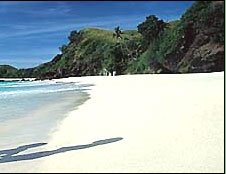
Kovalam Beach - small village along the shoreline, fabulous beaches, most popular is the Lighthouse Beach, the northern most Samudra beach, least affected.
Marari Beach - one of the local fishing villages, completely new to the holidaymaker, endless miles of superb sand beaches backed by swaying palms, virgin territory, local charm and traditional Kerala
B Kumarakom each - cluster of little islands on the Vembanad Lake, part of the Kuttanad region. The bird sanctuary spread across 14 acres is a favourite haunt of migratory birds and an ornithologist's paradise. Birds include Egrets, darters, herons, teal, waterfowl, cuckoo, wild duck and migratory birds like the Siberian storks. The best way to watch the birds of the Kumarakom sanctuary is a boat trip.

Alappuzha Beach - a popular hangout and relaxation spot, around 140 years old pier that extends in to the sea, lagoons, vast lakes and numerous fresh water rivers, Alappuzha is a natural wonderland.
Beypore Beach - prominent ports and fishing harbours of ancient Kerala, also known for its ancient ship building industry.
Varkala Beach - the most popular beach resorts in Kerala, mineral water springs with medicinal properties, also an important Hindu pilgrimage centre.
Fort Kochi Beach - historic fort, leisurely walk through the lanes of the city to learn about eventful colonial history and European regimes who ruled it.
Kappad Beach in Kerala - Vasco da Gama landed on its shores on 27th May 1498 with 170 men in three vessels. A pillar with inscription "Vasco Da Gama landed here, Kappakkadavau in the year 1498" stands on the beach. The beach here is very calm with a stretch of rocks projecting into the sea.
Dharmadam Island - beautiful beach island, coconut palms, green bushes, breathtaking sight. Permission is required to enter this privately owned island.
Ezhimala Beach - a picturesque site with a hilly backdrop, carved Stone Pillars, an ancient Burial chamber and an ancie
nt Cave can be seen at the foot of the hills, famous for medicinal herbs.Mopila Bay - natural fishing harbour with quite a modernised fishing harbour look, built with assistance under the Indo-Norwegian pact, ruined fort and temple.
Muzhappilangad Beach - one of the longest beaches in Kerala, also the only drive-in beach in India.
Pathiramanal Beach - island beach on the Backwaters, a favourite natural hub of hundreds of rare migratory birds that reside over here from different parts of the land.
Payyambalam Beach - beautiful beach sites, surfing in calm and peaceful waters.
Sankhumugham Beach - breathtaking sunset, a favourite haunt of sunset watchers.

Tanur Beach - coastal fishing town believed to be visited by Francis Xavier in the year 1546 AD.
Thangassery Beach - a seaside village of historic importance, ruins of an old Portuguese Fort and churches built in the 18th century. 144 feet high Thangaserry Lighthouse open to visitors from 1530-1730 hours every day.
Thirumullavaram Beach - beautiful beach filled with coconut palms, ideal for an early morning walk.
Mohandas Kattungal, BA LLB | Expert UAE Legal Researcher Leveraging 22+ years of Gulf experience to simplify UAE Labour Law and employment rights. Follow for essential updates on the 2026 Law
Monday, February 26, 2007
Complete List of 79th Academy Awards -Oscar Winners

Best Motion Picture: "The Departed"
Lead Actor: Forest Whitaker, "The Last King of Scotland"
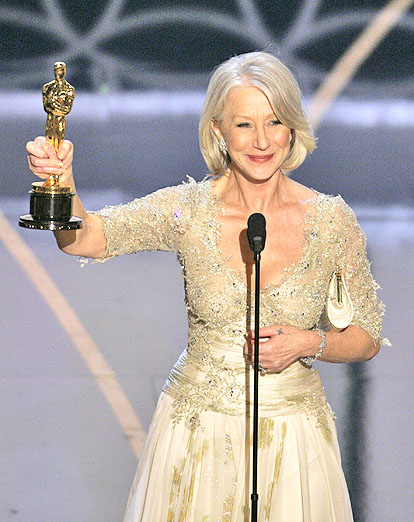
Lead Actress: Helen Mirren, "The Queen"
Supporting Actor: Alan Arkin, "Little Miss Sunshine"
Supporting Actress: Jennifer Hudson, "Dreamgirls"
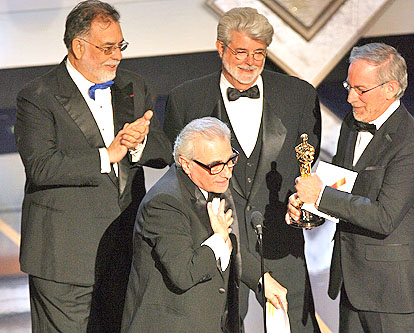
Directing: Martin Scorsese, "The Departed"

Foreign Language Film: "The Lives of Others," Germany
Adapted Screenplay: William Monahan, "The Departed"
Original Screenplay: Michael Arndt, "Little Miss Sunshine"
Animated Feature Film: "Happy Feet"
Art Direction: "Pan's Labyrinth"
Cinematography: "Pan's Labyrinth"
Sound Mixing: "Dreamgirls"

Sound Editing: "Letters From Iwo Jima"
Original Score: "Babel," Gustavo Santaolalla
Original Song: "I Need to Wake Up" from "An Inconvenient Truth," Melissa Etheridge
Costume: "Marie Antoinette"
Documentary Feature: "An Inconvenient Truth"
Documentary Short Subject: "The Blood of Yingzhou District"
Film Editing: "The Departed"
Makeup: "Pan's Labyrinth"
Animated Short Film: "The Danish Poet"
Live Action Short Film: "West Bank Story"
Visual Effects: "Pirates of the Caribbean: Dead Man's Chest"
___
Jean Hersholt Award (Oscar statuette): Sherry Lansing.
Honorary Academy Award (Oscar statuette): Ennio Morricone.
Mohandas Kattungal, BA LLB | Expert UAE Legal Researcher Leveraging 22+ years of Gulf experience to simplify UAE Labour Law and employment rights. Follow for essential updates on the 2026 Law